Professional Hair Stylist Services for Your Perfect Style
Professional hairdresser services are crucial in accomplishing personalized hair transformations. Experienced stylists evaluate individual hair types and preferences, providing tailored solutions that enhance natural beauty. Their expertise in current trends and techniques enables clients to try styles that fit them best. Nevertheless, the path to the ideal look requires more than one appointment. Grasping the complete scope of these services uncovers deeper insights into preserving and enhancing one's style.
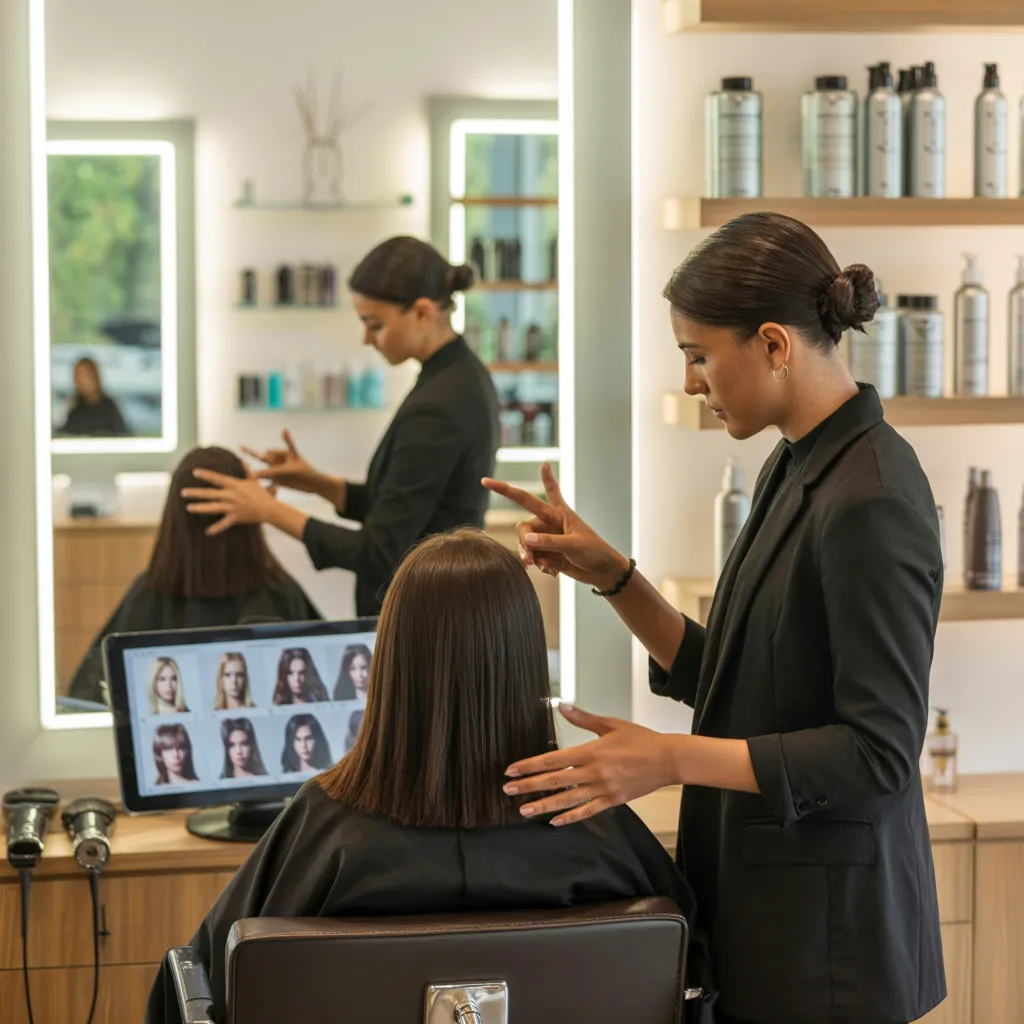
Top Advantages to Pick Skilled Hair Stylists for Your Hair Transformation
What determines expert hair stylists a favored choice for hair transformations? Their robust education and competence allow them to appreciate various hair types, textures, and styles. This expertise enables them to tailor their techniques to meet individual client needs productively. Additionally, expert stylists keep pace on the latest tools and products, guaranteeing excellent results with modern techniques.
In addition, they have a keen aesthetic sense, which enables them to recommend aesthetics that enhance a client's appearance. This tailored strategy fosters confidence and assures a satisfying experience. Communication is another essential aspect; skilled professionals pay close attention to their clients' desires, delivering helpful guidance while respecting their wishes.
Furthermore, the use of premium products and salon-quality equipment contributes to stronger hair, resulting in longer-lasting transformations. Overall, their combination of skill, innovation, and commitment makes expert hair stylists the ideal option for those wanting a significant change in their appearance.
Recent Trends in Expert Hair Stylist Services
Accomplished hair stylists continuously transform their services to reflect the emerging industry trends in the profession, ensuring clients achieve modern and stylish transformations. Currently, one key trend is the rise of personalized color techniques, such as balayage and ombre, which yield a more lifelike look while highlighting specific features. Equally, the increase of texture services has surged, with many opting for beachy waves or soft curls to introduce volume and movement.
Another shift is the integration of sustainable practices, with stylists using eco-friendly products and methods that reduce environmental impact. Clients are also favoring low-maintenance styles, preferring cuts and colors that require less upkeep. Moreover, advanced technologies like virtual consultations and augmented reality tools are becoming commonplace, allowing clients to visualize potential styles before committing. These innovations reflect a progressive industry that emphasizes both aesthetic appeal and client satisfaction.
What Your Hair Type Demands: A Quick Guide
Recognizing your hair texture is important for good maintenance and styling. Distinct textures and conditions require appropriate items and techniques to achieve the best outcomes. This handbook will present how to identify hair types, suggest essential products, and indicate adapted grooming methods for each type.
Figuring Out Your Hair Type
In what manner can one accurately determine their hair kind? Comprehending hair type begins with observing its texture, width, and curl design. Hair is classified as straight, wavy, curly, or coily, with each category broken down based on thickness—fine, medium, or coarse. To evaluate this, people should analyze a single piece of hair. Fine hair is sleek and gentle, while coarse hair is thicker and more robust. In addition, the curl pattern can be distinguished by noting how hair moves when dry. Straight hair lies flat, wavy hair forms gentle bends, curly hair creates distinct curls, and coily hair coils tightly. This foundational knowledge aids in choosing fitting styling and maintenance techniques tailored to specific hair types.
Fundamental Materials For Support
Selecting the right products tailored to one’s hair type can greatly improve its condition and visual appeal. For fine hair, delicate shampoos and body-enhancing conditioners are recommended to avoid adding heaviness. Medium hair benefits from proportioned products that deliver moisture without extra heaviness. Curly or textured hair frequently requires hydrating shampoos and luxurious conditioners to sustain moisture and reduce frizz. Those with thick hair may find that creamy or oil-based products assist manage volume and enhance shine. Additionally, color-treated hair necessitates sulfate-free shampoos and color-protecting conditioners to preserve vibrancy. Lastly, incorporating leave-in treatments or serums can offer extra nourishment and protection, making sure that each hair type stays healthy and resilient.
Design Methods For Each
Crafting the perfect hairstyle often copyrights on using the appropriate techniques tailored for each hair type. For straight hair, smooth styling implements and smoothing serums create a polished look. Wavy hair gains from texturizing sprays to boost natural waves while maintaining volume. Curly hair needs hydrating creams and diffusing methods to define curls without frizz. For coily hair, protective styles and heavier oils help preserve hydration and reduce breakage. Fine hair thrives on volumizing products and lightweight styling gels to prevent limpness. Thick hair often requires stronger hold products and heat protectants to manage its weight. By understanding these tailored techniques, individuals can boost their hair's potential and achieve their desired styles effectively.
How to Pick the Right Expert Stylist for Your Needs?
Finding the best expert stylist can often feel challenging, given the abundance of options available. To make an knowledgeable determination, one should first identify particular hair requirements and desires. Researching local salons and stylists online can give insights into their specialties, customer reviews, and portfolios featuring previous work.
Consultations are vital; they enable potential clients to explore desired styles and gauge the stylist's expertise. Asking about the stylist's proficiency with particular hair types and techniques can also help guarantee compatibility. Personal referrals from friends or family can be invaluable, as they often lead to trusted professionals.
Additionally, consider the salon's environment and available services, as these elements shape the complete visit. Ultimately, selecting the right skilled professional depends on locating someone whose expertise matches personal styling objectives, building a sense of trust and comfort to attain the desired look.
Important Recommendations for Preserving Your Hairstyle Lively Between Salon Visits
After selecting the best expert stylist, upholding a youthful hairstyle between salon visits becomes important. Consistent maintenance at home can notably extend the life of a hairstyle. First, using the right products is essential; quality shampoos and conditioners fitted to hair type can prevent unnecessary wear and tear. Additionally, reducing heat styling helps support hair health and shape.
Another effective approach includes deliberate application of adornments. Hair elastics, clips, and headbands can be employed to create fast, refined looks that keep hair in place. Regularly trimming split ends at home can also help preserve the overall style and avoid additional harm.
Moreover, adopting a weekly intensive conditioning regimen strengthens and refreshes hair, ensuring it stays lively. Finally, modifying hair looks to suit different occasions, while keeping the core style intact, allows for versatility while preserving vitality. By implementing these basic suggestions, people can keep their look better before the next salon appointment.
Preparing Yourself for Special Occasions: Key Tips
Preparing yourself for special occasions requires detailed organization to guarantee a flawless look. Setting up a timeline for appointments can help prevent last-minute stress, while examining style inspiration sources can fuel creativity. By taking these factors into account, individuals can achieve a polished appearance that complements the significance of the event.
Schedule for Appointments
When should clients schedule their hair appointments for special occasions? Timing is essential for getting the desired look. Experts recommend booking appointments at least four to six weeks in advance to ensure stylists can handle specific requests. This timeframe provides consultations and necessary adjustments. For events like weddings or proms, a trial run is recommended, ideally scheduled two to three weeks prior. This practice allows clients envision their final style and make any needed modifications. Additionally, clients should consider the time of day for their appointment; early morning slots often offer a relaxed atmosphere, while evening appointments might be busier. Overall, planning ahead guarantees a smooth experience and a flawless hairstyle on the big day.
Aesthetic Direction Sources
As clients proceed on their passage to gain the optimal hairstyle for special occasions, analyzing various style reference points can tremendously enrich their vision. Social media communities, particularly Instagram and Pinterest, stand as critical tools for identifying in-demand styles and unique ideas. Celebrity presentations can also spark details clients, as many stylists feature red carpet styles that are modifiable for personal use. Fashion magazines and bridal publications offer curated collections focused on specific events, presenting an array of styles to browse. Additionally, sessions with experienced hair stylists can present custom recommendations based on individual features and preferences. Ultimately, gathering diverse inspirations allows clients to perfect their desired look, guaranteeing they feel confident and stylish on their special day.
The Importance of Consistent Visits to Your Hairdresser
Regular trips to a hair stylist can significantly enhance both the health and look of one’s hair. Ongoing sessions provide personalized care tailored to specific hair conditions and needs. Stylists assess hair condition, suggest effective treatments, and handle issues like split ends or damage. This forward-thinking method helps keep hair health and avoids long-term problems.
Additionally, frequent salon visits confirm that haircuts remain trendy and stay aligned with current trends. Stylists can communicate valuable insights on styling methods and items that suit various hair types, improving overall manageability.
Additionally, these visits often act as a moment of self-improvement, promoting relaxation and well-being. Clients leave feeling revitalized, with a confidence boost that results from a polished appearance. Overall, incorporating hair stylist appointments as a regular part of one's routine is important for creating and sustaining a desired look while encouraging hair health.

Frequently Asked Questions
How Occasions Should I Modify My Hair Look With a Stylist?
Switching up your hairstyles every six to eight weeks is generally recommended for keeping things fresh and appearance. Your own preference, hair type, and seasonal fashions also play a role in how often one should consult a stylist for a change.
What Items Should I Require to Bring to My First Consultation?
For a first appointment, one should bring clear inspiration images, a list of hair products used, any relevant medical history, and an open mind. These items assist enable effective communication and guarantee a successful styling experience.
Can I receive a Consultation without booking a Service?
Yes, clients can frequently request a initial meeting without making a commitment to a service. This permits them to talk through their needs and preferences with the stylist, ensuring a comfortable and informed decision before proceeding with any appointments.
How Can I Articulate My Wanted Style Efficiently?
To communicate a wanted appearance effectively, one should collect reference images, describe particular characteristics, and articulate personal preferences plainly. Clear communication fosters understanding, guaranteeing the stylist understands the individual's vision for their hair design.
What if I'm Sensitive to Certain Hair Products?
If a person is allergic to certain hair products, it's vital to inform the stylist ahead of time. They can propose hypoallergenic alternatives, securing a safe experience while delivering the desired hairstyle without adverse reactions.